




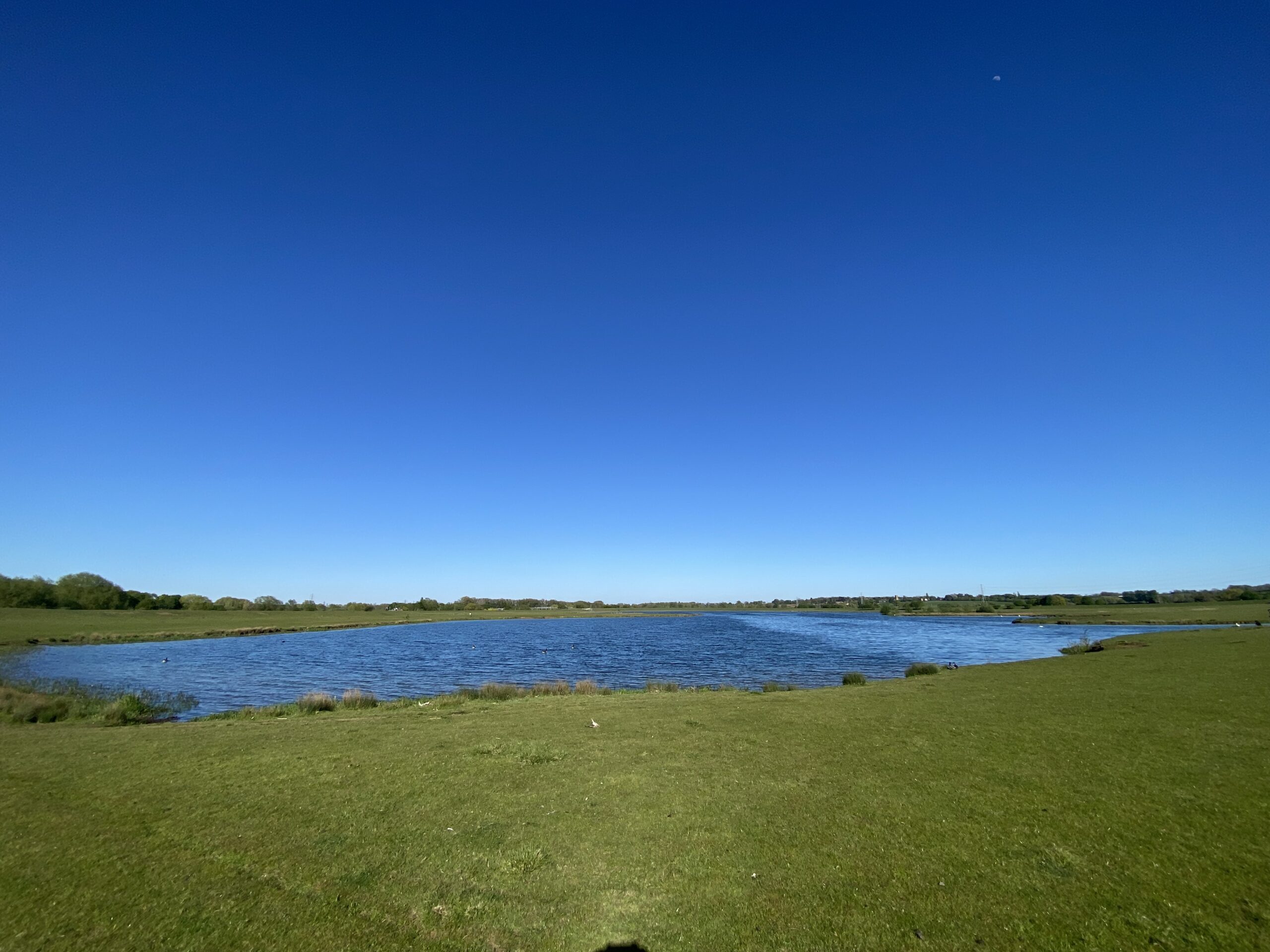
The River Nene, one of Northamptonshire’s most recognisable landmarks, is facing increasing environmental pressure as pollution concerns continue to grow across the county.
Flowing for more than 100 miles through Northamptonshire and the East Midlands, the Nene has historically been central to local life, helping shape trade, farming and industry throughout the county. Today, it has become one of Northampton’s key recreational spaces, regularly used for walking, running, rowing, fishing and paddleboarding, with riverside areas around Becketts Park and the university waterfront attracting visitors year-round.
But recent reports suggest the river’s health is worsening.
In November 2024, the River Nene was ranked the second most polluted river in the UK, with current residents of the River Nene stating:
“You can’t swim in it for fear of disease “
First-hand account from Will Garbner
– May 2026
as, according to analysis highlighted by Greatest Hits Radio. The findings renewed concerns over sewage spills, nutrient pollution and long-term environmental damage within the river system.
Data from Earthwatch Europe’s WaterBlitz project also showed that 83% of water samples taken in Northamptonshire recorded unacceptable nutrient pollution levels — significantly higher than the England average of 74%. Experts warn excess nutrients, often linked to sewage, farming runoff and wastewater, can reduce oxygen levels in rivers and damage aquatic ecosystems.
Concerns escalated further in early 2026 after a major dumping incident near the A14 saw what campaigners described as a “waterfall” of sump oil and waste material illegally discarded close to waterways feeding into the Nene. Environmental groups warned the contamination could have serious consequences for wildlife and water quality if pollutants spread further downstream.
Sewage discharge figures have added to the concern. Monitoring data published by campaign site Top of the Poops reported more than 630 sewage discharges into the River Nene during 2025, lasting a combined total of more than 2,400 hours. Environmental organisations say repeated spills place increasing strain on river ecosystems and public waterways.
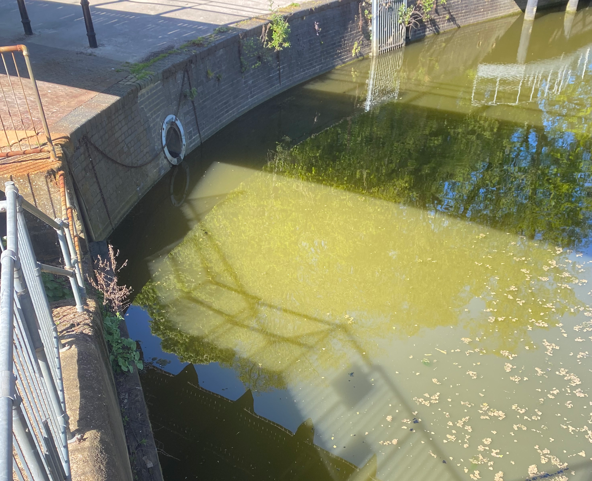
Groups including Surfers Against Sewage and the Nene Rivers Trust have continued campaigning for improved water quality protections, while volunteers across Northamptonshire have taken part in clean-up efforts and citizen science projects to monitor pollution levels.
For local residents, the issue extends beyond environmental statistics. Over recent years, the River Nene has become a far more visible part of community life in Northampton, with investment in riverside developments and growing public use of the area for recreation and leisure. Campaigners warn continued pollution could threaten biodiversity, fish populations and the long-term usability of the river for public activities.
Environmental experts say small lifestyle changes can still help reduce pressure on waterways. Using water butts, reducing household water usage, improving garden drainage and avoiding pouring oils, chemicals or cleaning products down drains can all contribute to limiting pollution entering the sewer network.
As pressure grows on water companies and environmental regulators, many across Northamptonshire now fear that without major improvements, the county’s historic river could face lasting ecological damage in the years ahead.