






Young people across Northamptonshire are facing growing challenges finding work as youth unemployment continues to rise and job vacancies fall across the UK economy.
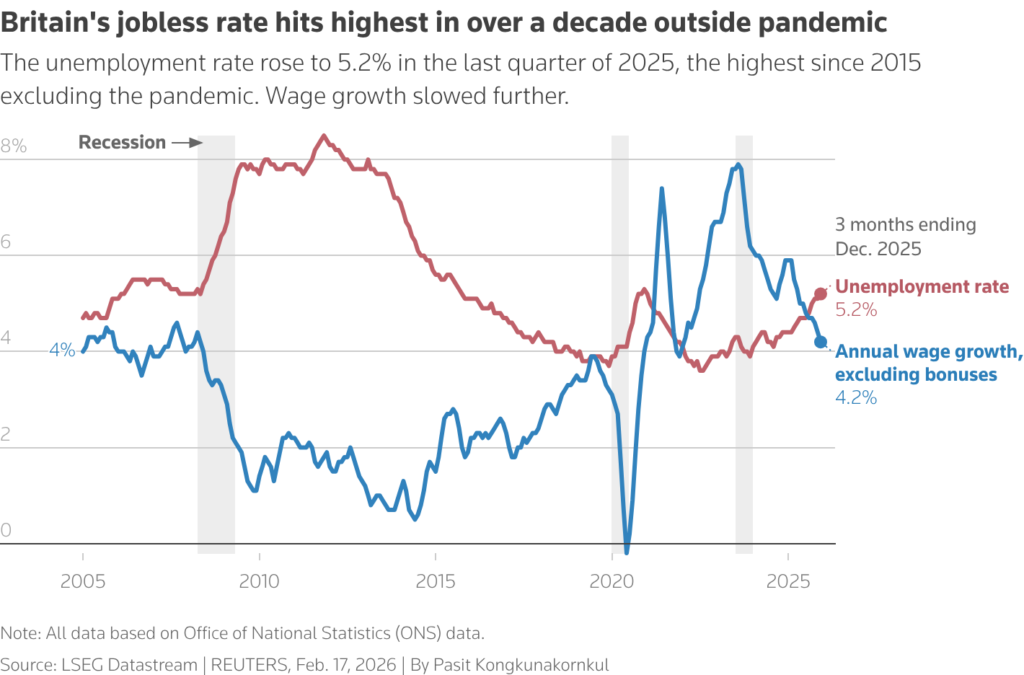
New figures from the House of Commons Library show that between December 2025 and February 2026, around 713,000 people aged 16 to 24 were unemployed in the UK, approximately 70,000 more than the previous year. During the same period, the youth unemployment rate rose to 15.8%, up from 14.6% in 2025.
At the same time, job opportunities continue to shrink. According to the Office for National Statistics (ONS), UK vacancies fell by another 29,000 in early 2026 to around 711,000 representing the lowest level since the economic recovery period following the pandemic in 2021.
For young people in Northamptonshire, the national trends are increasingly being reflected locally. Northampton has traditionally relied on sectors including logistics, retail, warehousing, hospitality and manufacturing industries that historically provided large numbers of entry-level roles for school leavers and young workers. But recent economic pressures have slowed recruitment across many of those sectors.
Before 2026, the labour market looked very different. Following the COVID-19 recovery between 2021 and 2023, businesses across the UK struggled with staff shortages and vacancies regularly exceeded one million nationally. Employers were actively recruiting younger workers, particularly in customer service, transport and hospitality roles.
Now, however, the market has cooled significantly.
Data from YouGov tracking public attitudes towards employment found many Britons increasingly believe finding a job has become more difficult over the past year, particularly for younger applicants competing for entry-level positions.
Experts say several factors are contributing to the rise in youth unemployment.
Businesses are hiring more cautiously because of rising operational costs, slower economic growth and uncertainty around future investment. At the same time, more people are remaining in work later in life, reducing the number of new openings becoming available for younger workers entering the market.
There are also concerns about a widening gap between education and employment. Youth employment organisations say many young people leave education without the practical experience or vocational pathways employers increasingly demand. Some employers are also prioritising experienced candidates over younger applicants with limited work histories.
Youth Employment UK has warned that long-term unemployment at a young age can have lasting consequences, including lower future earnings, poorer mental wellbeing and reduced career progression later in life.
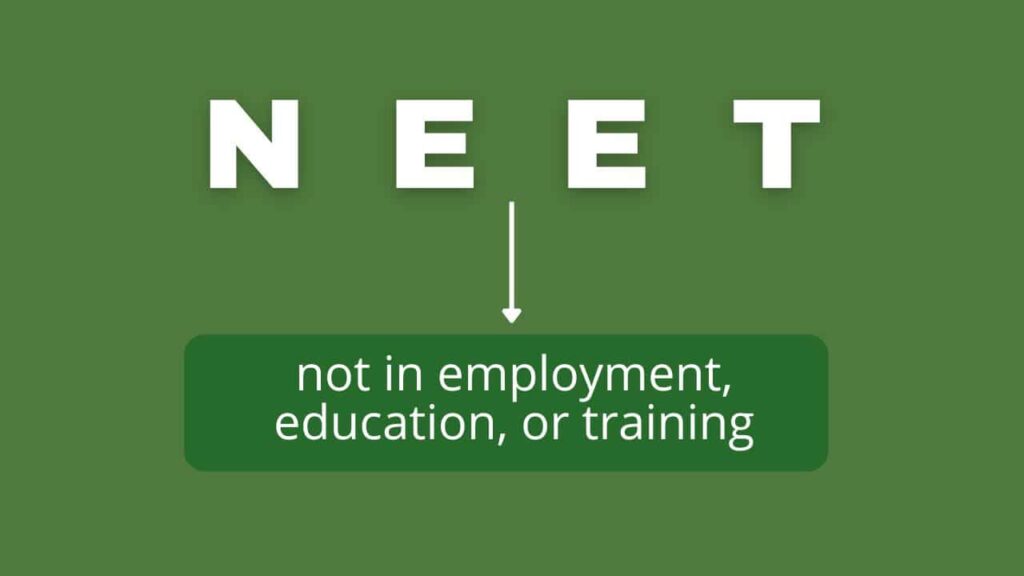
Figures highlighted by Impetus also show rising numbers of young people becoming NEET — not in education, employment or training — across the country. Campaigners warn this could place growing pressure on local councils and employment support services if opportunities continue to decline.
Local government data for West Northamptonshire also suggests employment challenges remain uneven across different communities, with younger residents often facing greater barriers accessing stable or higher-skilled work.
ONS labour market data further shows that unemployment nationally is beginning to rise while overall hiring activity slows. Economists say this trend could continue over the next five years unless economic growth improves and businesses regain confidence to expand recruitment.
Looking ahead, experts believe the future job market may increasingly favour workers with technical, digital and specialised skills. Industries linked to green energy, AI, advanced manufacturing and technology are expected to grow, while some traditional entry-level jobs could continue to decline due to automation and changing business practices.
For young people in Northamptonshire, this may mean greater competition for vacancies and increased pressure to gain qualifications, apprenticeships or work experience earlier.
Researchers and youth employment groups argue that investment in apprenticeships, vocational training and local employment support will be critical if younger generations are to avoid becoming locked out of the workforce long-term.
Without significant improvement, experts warn rising youth unemployment could affect not only the local economy, but also housing, wellbeing and future earning potential for a generation attempting to enter work during one of the most competitive job markets in recent years.